Source Anti Slip Zinc Manhole Step for Sewer, Cable, Industry
Compare 25 anti slip zinc manhole step options from verified suppliers in China. These steps feature plastic coating, galvanized steel cores, and non-slip designs suitable for sewer, cable, and industrial applications with heavy load capacity.
Key considerations
Products List


Comprehensive Sourcing Guide
Strategic Sourcing Guide for Anti-Slip Zinc Manhole Steps
Understanding Product Composition and Material Integrity
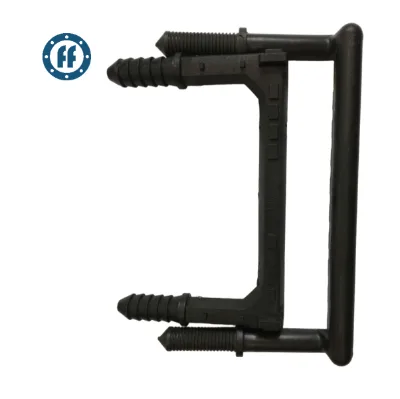
When sourcing an anti-slip zinc manhole step, the primary focus must be on the dual-layer construction that defines its durability and safety profile. The core material for these units is typically steel, providing the necessary structural rigidity to withstand heavy loads in industrial and municipal environments. However, the defining characteristic of the "anti-slip zinc" designation lies in the surface treatment process. The supplied data indicates a specific combination of plastic and zinc treatments applied to the steel substrate. This hybrid approach is critical; the zinc layer offers a robust barrier against corrosion, while the plastic coating, often exceeding 4.5mm in thickness, provides the necessary texture for traction.
The material composition is not merely a single-layer coating but a composite system. The anti-corrosion feature is explicitly described as a galvanized steel core paired with a plastic-coated exterior. This ensures that even if the outer plastic layer sustains minor abrasion, the underlying zinc and steel core remain protected from the harsh chemical environments found in sewers and cable trenches. Buyers must verify that the "Plastic Thickness" meets the observed specification of over 4.5mm, as thinner coatings may compromise the non-slip integrity and longevity of the step. Furthermore, the product is available in various alloy steel formulations, including plastic-coated aluminum and alloy steel variants, which may offer different weight-to-strength ratios depending on the specific application requirements.
Technical Specifications and Dimensional Standards
Precision in manufacturing is paramount for manhole steps, as they must fit standardized access points while accommodating the unique demands of the installation site. The observed product models indicate a range of thicknesses, specifically 12mm, 14mm, and 16mm. These dimensions refer to the material thickness of the step itself, which directly correlates to its load-bearing capacity. The "Heavy Load" classification suggests that these units are engineered to support significant weight, making them suitable for industrial zones, transportation hubs, and machine parts areas where foot traffic is constant and heavy equipment may be nearby.
The physical dimensions of the product also vary, with some specifications noting a standard size of 490x390x250mm, while others emphasize customization capabilities. The "All Sizes" standard mentioned in the context implies that manufacturers can adapt the footprint to match existing manhole covers or frames. The anti-slip design is achieved through a concave-convex textured step surface, a geometric feature that channels water away and increases friction underfoot. This is particularly vital for applications in sewers and cable tunnels where moisture and oil are prevalent. The installation method is standardized to include expansion bolts, ensuring a secure fit that prevents shifting or loosening over time. Buyers should confirm that the specific model they select, whether labeled as "Elite" or a generic "Manhole Step," aligns with the required thickness and dimension for their specific infrastructure.
Compliance, Certification, and Safety Standards
In the B2B procurement of safety-critical infrastructure components, verifying compliance with international standards is non-negotiable. The supplied data highlights several key certifications that serve as proxies for quality assurance. The products are noted to carry ISO and CE certifications, with some listings specifically mentioning Vds certification. These marks indicate that the manufacturing process adheres to rigorous quality management systems and safety requirements. Additionally, the product standard EN 13101 is explicitly referenced, which is a recognized standard for manhole covers and steps, ensuring that the product meets specific performance criteria for load classes and safety.
However, buyers must exercise caution regarding the scope of these standards. While EN 13101 is a primary reference, other standards such as EN13598-2 and EN752 are mentioned in the background context but should be treated as areas for verification rather than guaranteed attributes of every listed product. The procurement process should include a request for the specific test reports generated by professional laboratories. These tests validate the anti-slip properties and the corrosion resistance claims. The "Professional Lab" testing mentioned in the data suggests that independent verification is available, but the buyer must ensure that the test results correspond to the specific batch or model being ordered. The presence of these certifications does not automatically guarantee that every unit in a large order will meet the same threshold; therefore, random sampling and third-party verification during the quality control phase are essential.
Cost Drivers and Pricing Structure Analysis
The pricing for anti-slip zinc manhole steps is influenced by a complex interplay of material costs, surface treatment complexity, and order volume. The observed price range in the market spans from 1 USD to 50,000 USD, reflecting the vast difference between a single unit and a bulk industrial contract. For individual or small-batch purchases, the price typically falls between 1 and 3 USD per piece, or specifically USD 1-2 per piece for certain models. This low unit cost is deceptive if not contextualized with the Minimum Order Quantity (MOQ). The observed MOQ range is substantial, extending from 50 units up to 1,000,000 units. This high-volume requirement is typical for industrial suppliers who optimize their production lines for mass manufacturing.
Several factors drive the final cost beyond the base unit price. The thickness of the plastic coating is a significant cost driver; a coating exceeding 4.5mm requires more raw material and a longer curing process than thinner alternatives. The choice of core material also impacts pricing; while steel is the standard, alloy steel or aluminum variants may command a premium due to material costs and processing complexity. Customization is another variable; while "Customization" and "OEM" services are available, bespoke designs or non-standard dimensions will increase the unit price and potentially the lead time. Buyers should also consider the packaging costs, as the product is often packed into plywood cases or containers suitable for sea shipment, which adds to the overall landed cost. Understanding these drivers allows for more accurate budgeting and negotiation, ensuring that the quoted price reflects the specific technical requirements rather than a generic baseline.
Supplier Evaluation and Operational Capabilities
Selecting a reliable supplier for manhole steps requires a thorough evaluation of their operational capabilities, particularly regarding origin, logistics, and production capacity. The data indicates that the primary manufacturing origin is China, with specific mentions of Qingdao as a key industrial hub. Suppliers such as Qingdao Fluido Industrial., Ltd are identified in the context, but buyers should not limit their search to a single entity. Instead, the focus should be on verifying the supplier's ability to meet the specific technical and logistical demands of the project.
Key evaluation criteria include the supplier's adherence to the "All Sizes" standard and their capacity for customization. A capable supplier should be able to provide a range of styles, including Chinese, European, Modern, Classic, Simplicity, and Pastoral designs, to match the aesthetic requirements of the installation site. The "Fluido Brand" trade name suggests a level of market presence, but buyers must verify that the brand is associated with the specific manufacturing facility they are engaging. Logistics are another critical factor; the products are designed for sea shipment and packed in plywood cases or boxes and pallets. Buyers should confirm the supplier's experience with international shipping and their ability to handle the "Container" or "Plywood Case" packing requirements without damage. Additionally, the lead time is a crucial metric; observed delivery times can be as short as 10 days, but this may vary based on order volume and customization levels. A reliable supplier will provide transparent communication regarding production schedules and potential delays.
Quality Control and Long-Term Procurement Considerations
Ensuring the long-term reliability of anti-slip zinc manhole steps requires a robust quality control (QC) strategy that extends beyond the initial purchase. The "Professional Lab" testing mentioned in the data is a positive indicator, but it should be complemented by on-site inspection protocols. Buyers should implement a QC plan that includes visual inspections for coating uniformity, checking the thickness of the plastic layer, and verifying the integrity of the anti-slip texture. The "Concave-Convex Textured Step Surface" must be consistent across all units to ensure uniform safety performance.
Long-term procurement considerations also involve the lifecycle management of the product. The "Galvanized Steel Core + Plastic Coated Exterior" design is intended to provide a long service life, but the buyer must assess the maintenance requirements. The installation method, which includes expansion bolts, should be verified for compatibility with the local soil and concrete conditions. In environments with high corrosion potential, such as sewer systems, the integrity of the zinc and plastic layers is the primary defense against degradation. Buyers should request documentation on the expected lifespan of the coating under specific environmental conditions. Furthermore, the availability of spare parts and the supplier's ability to fulfill repeat orders for the same specifications are vital for maintaining infrastructure consistency. The "Customized" nature of the product means that future replacements must match the original dimensions and material properties exactly, making a strong relationship with a capable supplier essential for long-term operational continuity.
Comparative Analysis of Product Variants
To facilitate informed decision-making, it is helpful to compare the different variants of manhole steps available in the market based on the provided specifications. The following table outlines the key distinctions between the observed product models, focusing on material, coating, and application suitability.
| Feature | Plastic Coated Aluminum | Plastic Coated Alloy Steel | Galvanized Steel Core |
|---|---|---|---|
| Core Material | Aluminum | Alloy Steel | Galvanized Steel |
| Coating Thickness | Over 4.5mm | Over 4.5mm | Over 4.5mm |
| Surface Treatment | Plastic & Zinc | Plastic & Zinc | Plastic & Zinc |
| Weight Range | 0.5-2kgs | 0.5-2kgs | 0.5-2kgs |
| Load Capacity | Heavy Load | Heavy Load | Heavy Load |
| Primary Application | Transportation, Machine Parts | Industry, Sewer, Cable | Industry, Sewer, Cable |
| Certification | ISO, CE, Vds | ISO, CE, Vds | ISO, CE, Vds |
This comparison highlights that while the core material differs, the performance characteristics regarding load capacity and coating thickness remain consistent across the variants. The choice between aluminum and alloy steel often depends on specific weight constraints or corrosion resistance needs. The "Plastic Coated 14mm Manhole Step" and "Elite" models represent specific configurations within this broader category, offering tailored solutions for different project requirements. Buyers should use this matrix to align their specific project needs with the appropriate product variant, ensuring that the selected step meets both the technical and economic criteria of the procurement.
FAQs
What materials are used for anti slip zinc manhole steps?
The core material is typically steel, often galvanized, with a plastic coating exterior. Some variants use alloy steel or aluminum cores. The plastic thickness must exceed 4.5mm to ensure durability and anti-slip performance in industrial environments.
Which certifications do these manhole steps typically hold?
Products commonly carry ISO and CE certifications, with some listings including Vds certification. These marks indicate adherence to quality management and safety standards. Buyers should verify specific test reports from professional labs for batch validation.
How thick is the plastic coating on these steps?
The plastic coating thickness is specified as over 4.5mm for optimal protection. This thickness ensures the anti-slip texture remains effective and protects the galvanized steel core from corrosion in harsh environments like sewers and cable tunnels.
Can I customize the size and style of the steps?
Yes, customization is available for various sizes and styles including Chinese, European, Modern, and Classic designs. Manufacturers can adapt dimensions to fit specific manhole frames, though bespoke requests may affect lead times and unit pricing significantly.
What is the minimum order quantity for these products?
The minimum order quantity ranges from 50 to 1,000,000 units depending on the supplier and customization level. High-volume orders are typical for industrial suppliers optimizing production lines, so buyers should prepare for substantial initial purchase requirements.
How are these steps packaged for sea shipment?
Products are packed into plywood cases, boxes, or pallets suitable for container shipping. This packaging ensures protection during long-distance transport. Buyers should confirm specific packing details to prevent damage during sea shipment to their destination.
What is the lead time for delivery of these steps?
Delivery times can be as short as 10 days for standard orders. However, lead times may vary based on order volume and the extent of customization required. Suppliers should provide transparent schedules to ensure timely project completion.